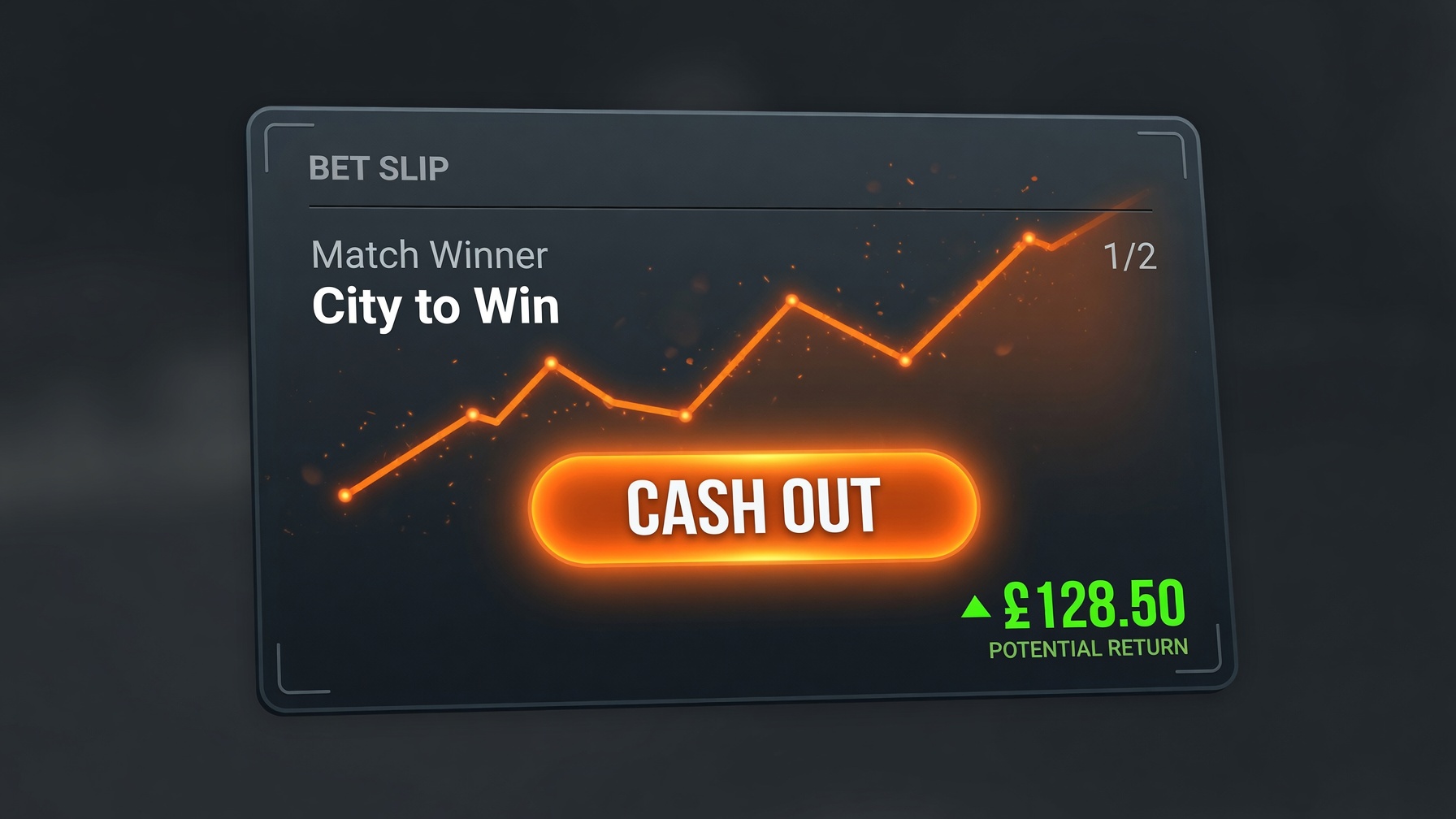
Cash out is one of the most useful features in modern betting, and also one of the most misunderstood. In short, it lets you settle a bet early — before the match or market is finished — for a value offered to you in that moment. Here is how it actually works, and when it makes sense to use.
What cash out means
Normally a bet runs until the outcome is decided: you win or you lose. Cash out gives you a third option — take a settled amount now and walk away from the bet entirely. If your bet is currently in a strong position, the offer will be a profit. If it is in a weak position, the offer will be less than your stake, letting you cut a loss rather than lose everything.
How the value is calculated
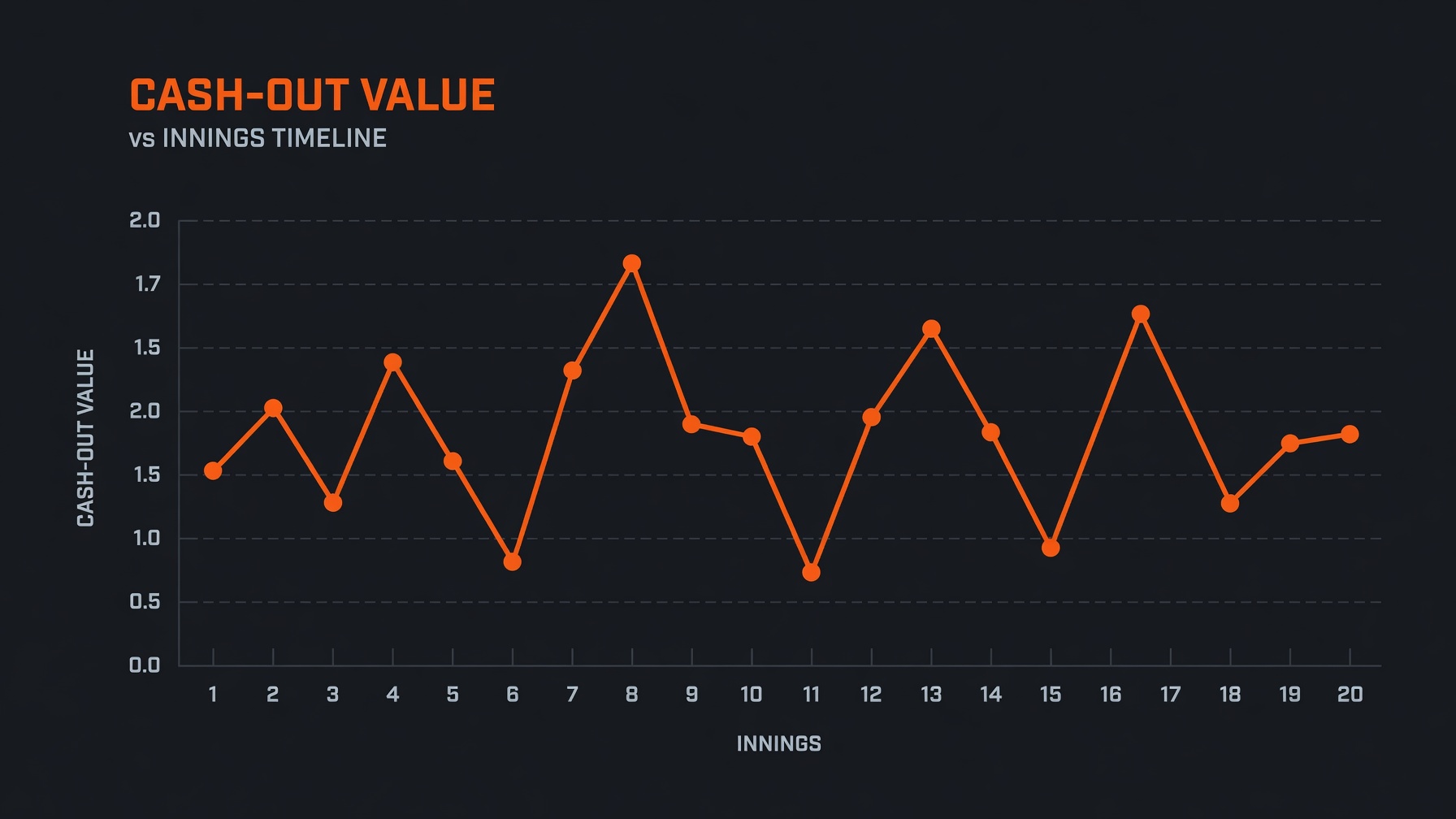
The cash-out figure is based on the current odds of your selection compared with the odds when you placed the bet. Behind the scenes it is the same idea as placing an opposite bet to balance your position. If you backed a team at 3.0 and they are now trading at 1.5 because they are winning, your position has improved, so the cash-out value is higher than your stake. Because it is tied to live prices, the number moves constantly — every ball can change it. Understanding how odds work makes cash-out values much easier to read.
When cash out helps
Cash out is most valuable when a result is uncertain and you would rather have a known return than risk a swing. Common moments include locking in a profit when your team is on top but a collapse is still possible, or cutting a loss when momentum has clearly turned against you. It puts the timing of the decision in your hands, which is especially powerful during in-play betting.
When cash out can cost you
Here is the honest trade-off: cashing out early often means accepting slightly less than the bet's full potential, because the offered value builds in the current margin between back and lay prices. Cash out too early out of nerves and you may leave value behind; cash out too late and the position can collapse. There is no perfect answer — it depends on your read of the game and your comfort with risk. Treat cash out as a risk-management tool, not a way to magically beat the market.
Partial cash out
Many platforms let you cash out only part of a bet. This locks in some return while letting the rest ride. It is a middle path for when you want to secure a portion of a profit but still believe in the outcome. As always, decide your plan before the pressure of a live finish, not in the heat of the moment.
Cash out or let it ride?
The decision comes down to certainty versus potential. Cashing out gives you a known, settled return now; letting the bet ride keeps the full potential but also the full risk. Neither is automatically correct. A sensible habit is to decide in advance what would make you cash out — for example, "if my team is firmly on top with a few overs left, I'll secure the profit" — so the choice is planned rather than emotional. Remember that the offered value already reflects the live odds, so you are not getting something for nothing; you are trading a little upside for certainty. Used with a clear plan rather than panic, it is a genuinely helpful risk-management tool.
Frequently asked questions
Is cashing out always the smart move?
No. Over time, cashing out early tends to return a little less than letting bets run, because the offer builds in the current margin. It is about managing risk, not beating the market.
Why is my cash-out value lower than my potential win?
Because it reflects the current odds plus the small gap between back and lay prices. You accept slightly less in exchange for settling early and removing uncertainty.
Can the cash-out value change after I tap it?
Yes. Prices move constantly, and a short delay can mean the value shifts. If it changes, you are usually asked to confirm the new figure again.
Key takeaways
- Cash out settles a bet early for a value based on current odds.
- It can lock in profit or cut a loss before the result is final.
- The value changes constantly, especially in live matches.
- Early settlement usually costs a little value — it is a trade-off, not free money.
Cash out helps manage risk but does not remove it. Decide your plan in advance and avoid emotional, last-second decisions. Bet only what you can afford to lose.
See cash out during live play
Cash out makes the most sense while a match is unfolding in real time. Learn how it fits into live betting.
Explore FairPlay Live