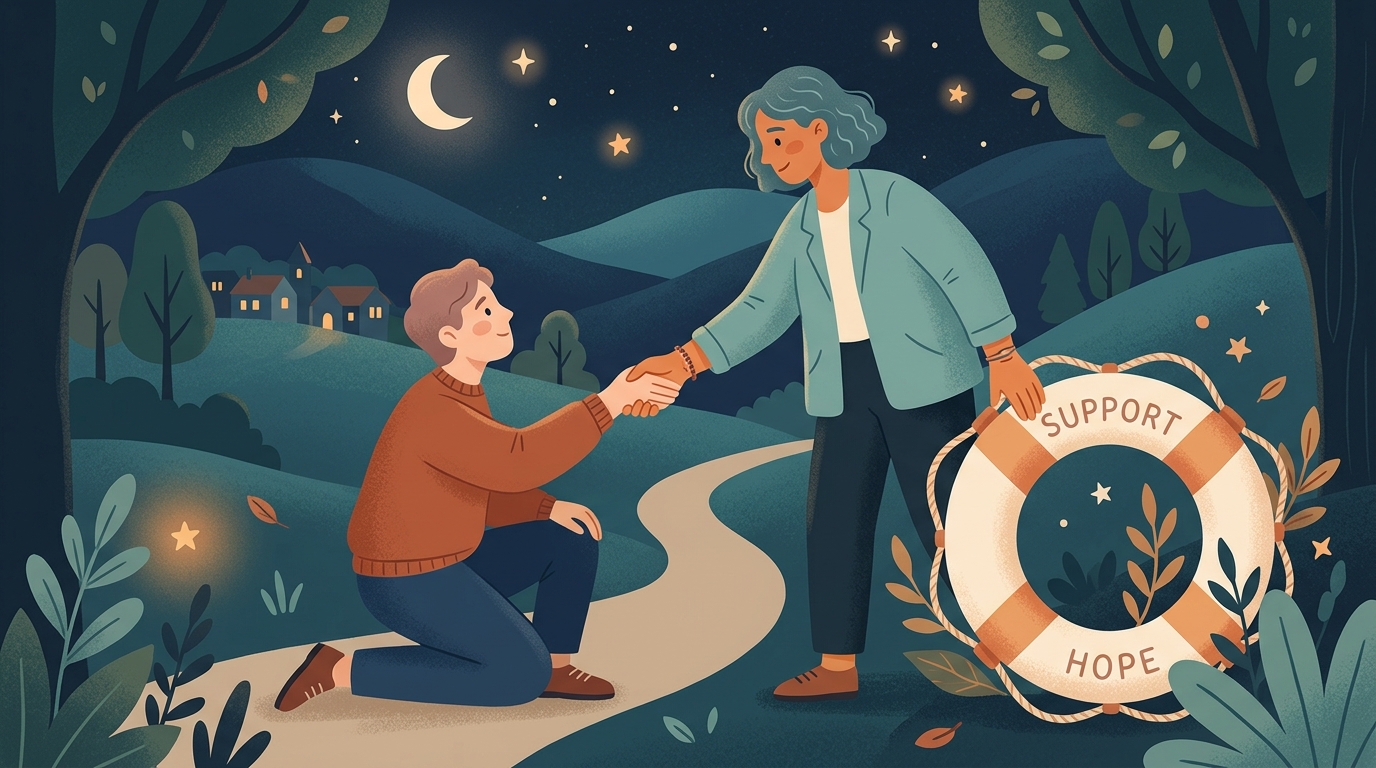
For most people, betting is harmless entertainment. For some, it can stop being fun and start causing harm. Knowing the warning signs — in yourself or someone close to you — is the first step to addressing it early, when it is easiest to turn around. This article is written with care, for adults aged 18 and over, and it is informational rather than medical advice.
What problem gambling is
Problem gambling is when betting begins to harm a person's finances, relationships, work, studies or wellbeing, and they find it hard to stop despite that harm. It is not about how much someone bets in absolute terms; it is about the impact and the loss of control. It can affect anyone, regardless of background, and it often develops gradually rather than all at once.
Common warning signs
No single sign is proof on its own, but several together are worth taking seriously:
- Spending more time or money on betting than intended, again and again.
- Chasing losses — betting more to try to win back what was lost.
- Betting money meant for essentials like rent, bills or food.
- Borrowing money, or selling things, to fund betting.
- Feeling restless, anxious or irritable when trying to cut down.
- Lying to family or friends about the extent of betting.
- Using betting to escape stress, low mood or boredom.
- Neglecting work, study, relationships or hobbies because of it.
How it affects people
The harm from problem gambling is rarely just financial. It can bring stress, sleeplessness, guilt and shame, strain on relationships, and a knock to mental health. Because of the stigma, many people hide it, which can make things worse before they get better. Recognising that these effects are a known pattern — not a personal failing — can make it easier to seek help.
Helping yourself
If you recognise some of these signs in yourself, there are practical first steps. Use the tools built into most platforms: set a strict deposit limit or take a break through self-exclusion, as explained in our guide to deposit limits and self-exclusion. Talk to someone you trust. And revisit the habits in responsible gambling. Taking action early, before a small issue grows, is always easier than waiting.
Helping someone else
If you are worried about a friend or family member, approach them with concern rather than judgement. Choose a calm moment, talk about the impact you have noticed rather than accusing them, and listen. Avoid lending them money to bet, which usually deepens the problem. Encourage them towards support services, and remember you can seek guidance for yourself too — many helplines support affected family members as well.
Where to find help
Free, confidential support is available, and using it is a sign of strength. Organisations such as Gamblers Anonymous, GamCare and BeGambleAware offer help to people affected by gambling and to their families; look up the current contact details for services that operate in your region, as offerings and numbers change over time. If you or someone else is in immediate crisis, contact local emergency services. You do not need to be at rock bottom to ask for help — earlier is always better.
Frequently asked questions
How do I know if I have a gambling problem?
If betting is harming your finances, relationships or wellbeing and you find it hard to stop, that is a serious sign. Several warning signs together are worth acting on.
Is problem gambling about how much you bet?
No. It is about the impact and the loss of control, not the absolute amount. Harm can occur at very different spending levels.
What is the first thing I should do?
Use deposit limits or self-exclusion to create space, talk to someone you trust, and contact a free, confidential support service.
How can I help a family member?
Approach them without judgement, focus on the impact you have seen, avoid lending money to bet, and encourage them towards support services.
Key takeaways
- Problem gambling is defined by harm and loss of control, not the amount bet.
- Warning signs include chasing losses, hiding betting and using it to escape stress.
- Its effects are often emotional and relational, not only financial.
- Deposit limits, self-exclusion and talking to someone are useful first steps.
- Free, confidential help is available — earlier is always better.
If gambling is causing harm to you or someone you know, please seek support from a free, confidential service such as Gamblers Anonymous, GamCare or BeGambleAware. FairPlay is for adults aged 18 and over.
Support and tools when you need them
Responsible-gaming tools and support are part of betting done right. Learn more about FairPlay and the help available.
Visit FairPlay